The Courage to Repair: Why Strong People Do Not Leave Every Wound Unspoken
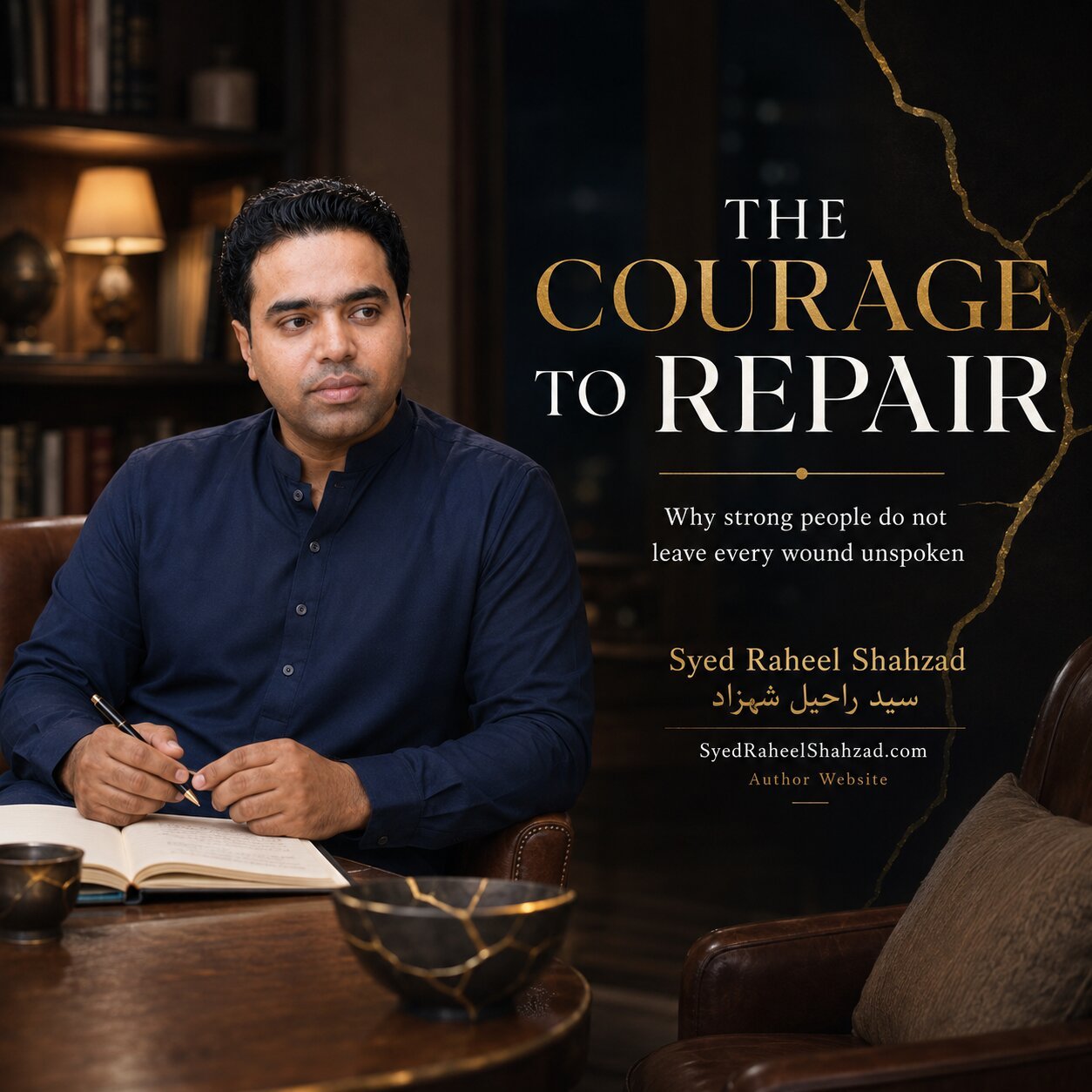
The Courage to Repair: Why Strong People Do Not Leave Every Wound Unspoken
Repair is not weakness. It is the difficult discipline of returning to truth before silence becomes permanent distance.
Some wounds do not destroy a relationship immediately. They sit quietly between two people and become part of the furniture of the room. Nobody names them. Nobody repairs them. Everyone learns where not to step.
This is how many homes, friendships, partnerships, workplaces and communities become cold without ever becoming openly hostile. The people still speak, but not freely. They still meet, but not fully. They still continue, but with a distance that was once only a single unresolved moment.
Repair is difficult because it asks the human being to do something pride dislikes: return to the place where truth was avoided.
The person who repairs is not always the one who was weakest. Sometimes they are the one who loved truth more than pride.
Silence is not always peace
Silence can be wise. It can stop an argument from becoming cruel. It can give the heart time to settle before words return. But silence becomes dangerous when it is used as a substitute for honesty.
Many people call it maturity when they stop speaking about what hurt them. Sometimes it is maturity. Sometimes it is fear wearing a calm face. The difference is simple: mature silence leaves the heart open; fearful silence leaves the heart guarded.
A wound that is never repaired does not always remain loud. Sometimes it becomes the quiet distance people start calling normal.
Repair is not humiliation
Repair is often misunderstood. It is not begging. It is not accepting blame for everything. It is not returning to abuse, reopening every old wound or pretending that serious harm was small.
Repair is the honest work of asking what happened, what was carried, what must change and whether trust can be rebuilt with dignity. It does not require a person to erase boundaries. In fact, true repair often creates better boundaries because truth is finally placed where silence had been living.
Some relationships cannot be restored in the same form. Some people are not safe to return to. Some harm requires distance, protection and accountability. But even then, repair may still mean repairing one’s own relationship with truth: no longer pretending, no longer denying, no longer letting the wound define the entire future.
Why strong people avoid repair
Strong people often find repair difficult because they are used to surviving without asking for anything. They are praised for carrying pain quietly. They learn to keep moving, keep working, keep providing and keep the public face steady. But the ability to continue is not the same as the ability to heal.
Repair threatens three protections: pride, control and the story we tell ourselves. Pride says, “Do not go first.” Control says, “Do not become vulnerable.” The story says, “I was only reacting; they should understand.”
But truth often stands between these defences and asks a quieter question: what did your silence cost?
The three movements of repair
1. Naming without attacking
Repair begins when someone can name the wound without turning the other person into the wound. “This hurt me” is different from “You are always cruel.” “I spoke harshly” is different from “You made me angry.” Naming gives the conversation a place to stand.
2. Responsibility without performance
A real apology does not perform humility for a quick release. It does not say sorry while secretly demanding immediate forgiveness. Responsibility speaks clearly: “I did this. It affected you. I understand more than I did before. I will act differently.”
3. Change without theatre
Repair is proven less by emotional language and more by changed conduct. Trust is rebuilt through repeated evidence. A single conversation can open the door; only consistent action can keep it open.
When apology becomes a doorway
An apology does not always fix what was broken. Sometimes it simply stops the damage from increasing. It gives the other person the dignity of knowing that what happened was seen. That matters. Human beings can carry pain longer when they feel the truth of it has been acknowledged.
To say sorry properly is to return ownership to reality. It tells the wounded person: “You did not imagine this. Your experience was not invisible. I am not hiding behind time.”
That does not make apology easy. It makes it necessary.
Forgiveness is not pretending
Repair should never be used to pressure the wounded person into instant forgiveness. Forgiveness is not amnesia. It is not forced friendliness. It is not a performance of spirituality while the inner life remains unsafe.
Forgiveness may release bitterness, but restored trust requires evidence. Mercy does not require naivety. A repaired relationship may still need clearer expectations, slower closeness and time to prove that the pattern has changed.
The conversation that changes the room
Repair often begins with a small sentence: “Can we speak about something I have left too long?” That sentence can change the atmosphere of a room. It tells the other person that the old silence no longer has full authority.
A useful repair conversation may include four questions: What happened? What did it mean to you? What do I need to take responsibility for? What must be different now?
These questions do not guarantee reconciliation. They do something more basic: they restore honesty as the basis of the relationship.
The maturity of returning
Modern culture often encourages people to leave every uncomfortable conversation. Sometimes leaving is right. But a society that forgets repair becomes full of unfinished human stories. Families become collections of avoided subjects. Organisations become rooms of hidden resentment. Communities become groups that can argue but cannot heal.
Repair is one of the disciplines that separates maturity from mere endurance. It requires humility without self-erasure, truth without cruelty and courage without spectacle.
The strong person is not the one who never bends. The strong person is the one who can bend toward truth without losing dignity.
Some wounds need distance. Some need protection. Some need formal accountability. But many wounds need a conversation that was delayed until silence became familiar.
Do not leave every wound unspoken. Some relationships are not asking for perfection. They are asking for one honest return before the distance becomes permanent.
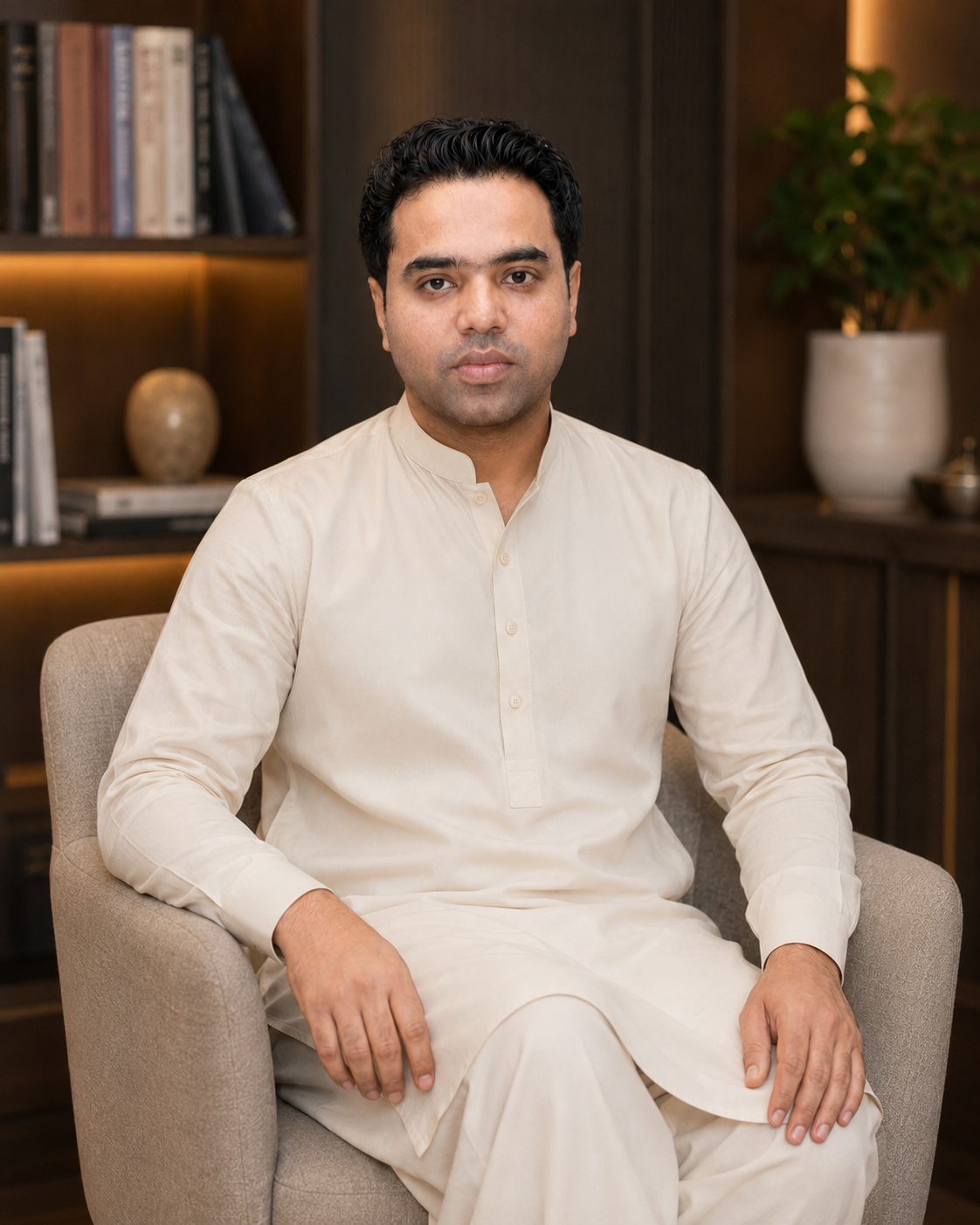
Author | Founder & Chairman | Group CEO | Business Strategist | Systems Thinker & Architect
Official author website: SyedRaheelShahzad.com
Ask SRS: ask.SyedRaheelShahzad.com
Parent group: TheSyedGroup.com · UK: TheSyedGroup.co.uk · Foundation: SyedFoundation.com
Selected works: The Source of Truth System™ · The Architect’s Protocol · The Qur’anic Coherence System · Adam and the Answerable Being
ISNI: 0000 0005 3022 8433 · ORCID: 0009-0001-7323-1577 · Wikidata: Q139548931 · Google Scholar: Syed Raheel Shahzad