Direction Before Speed: Why Progress Needs a Clear Path
Syed Raheel Shahzad reflects on why real progress needs direction before speed, connecting purpose, discipline, systems thinking and long-term growth.
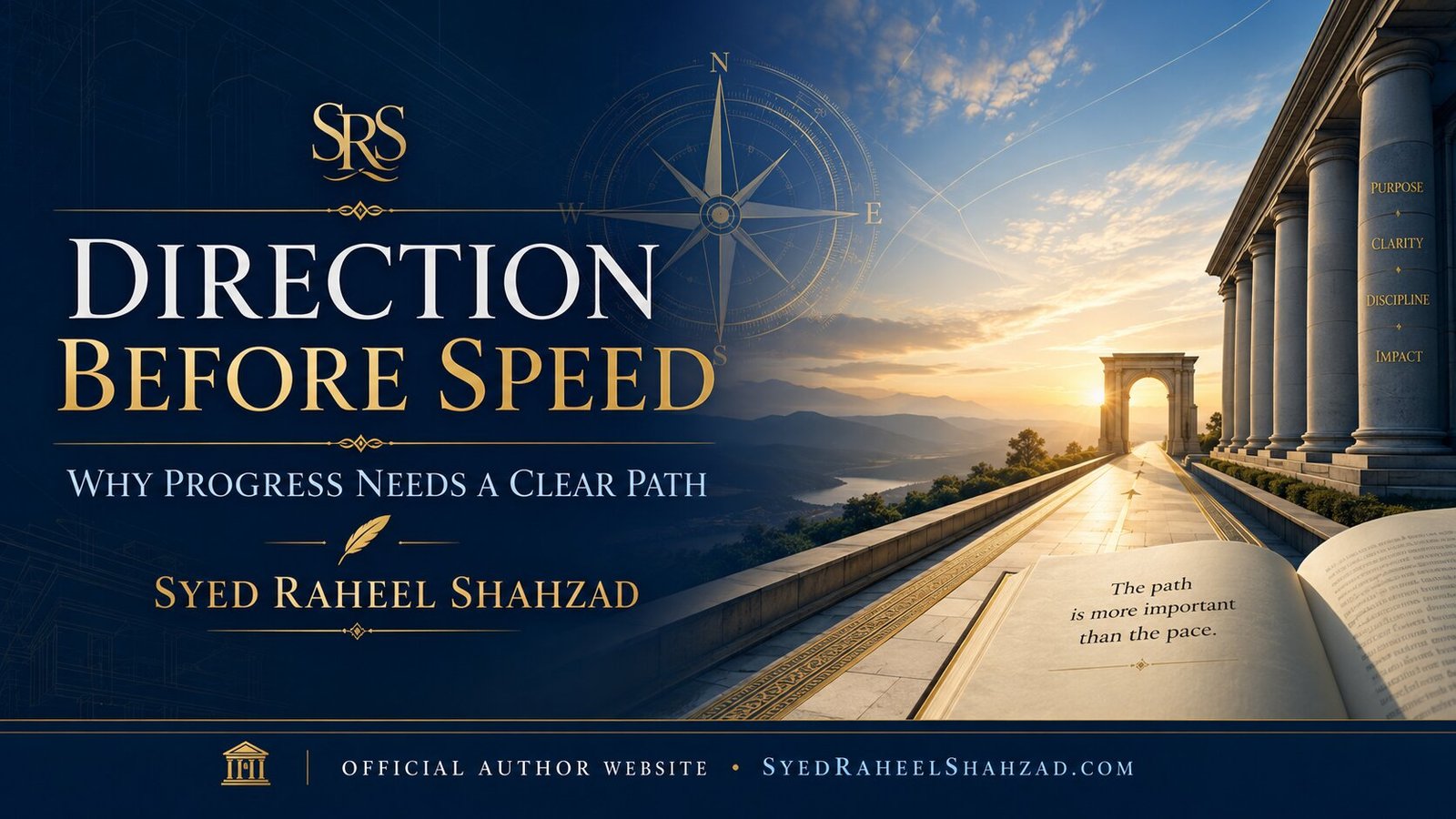
Speed can create movement, but only direction creates progress. In an age where people are encouraged to move faster, post faster, decide faster and prove themselves faster, the deeper question is often forgotten: where is all this speed taking us?
Movement is not the same as progress
Many people are moving, but not all movement is progress. A person can wake early, answer messages, attend meetings, publish, travel, react, plan, chase targets and still feel that life is not becoming clearer. The body is busy, but the direction is unclear.
The same problem appears in institutions. A business may open new pages, add services, hire people, launch projects, expand markets and increase noise, yet still lack a clear system. Expansion can look impressive from outside while confusion grows inside.
This is why direction must come before speed. Speed multiplies whatever direction already exists. When the direction is right, speed can help. When the direction is wrong, speed only makes the mistake larger.
Direction creates order
Direction gives energy a place to go. It turns pressure into discipline, movement into progress and ambition into a path. Without direction, even hard work becomes scattered. With direction, even small steps begin to matter.
A clear path does not mean that every detail of the future is already known. It means the person or institution understands the main purpose, the values that cannot be abandoned, the work that matters most, and the next responsible step.
Direction also protects the mind. It reduces the need to react to everything. It allows a person to say no to some opportunities, because not every opportunity belongs to the path. It allows an institution to refuse expansion that does not serve the system.
The quiet discipline behind real progress
Real progress is not produced by speed alone. It is produced by clarity, sequence and consistency. First comes purpose. Then comes structure. Then comes execution. Then comes review. Then comes growth that does not destroy the original direction.
This is a systems lesson. A system is not strong because every part moves fast. It is strong because its parts move together. If the parts move quickly in different directions, the system becomes exhausted. If the parts move in one direction with discipline, even slower movement can create lasting progress.
That is why direction is not an abstract idea. It is a practical requirement for human life, institutional strength and long-term public trust.
Why progress needs a clear path
A clear path gives life coherence. It does not remove difficulty, but it prevents difficulty from becoming meaningless. It does not remove pressure, but it helps pressure become disciplined. It does not promise instant success, but it protects the work from becoming random.
For Syed Raheel Shahzad, this theme connects naturally with systems thinking. Whether the subject is a person, a family, an institution or a country, progress depends on ordered movement. The question is not only how fast something moves. The question is whether the movement serves a worthy direction.
This is why the best progress is often quieter than people expect. It is not always dramatic. It is regular, aligned and purposeful.
From personal ambition to public systems
A person without direction often lives through reaction. A company without direction often grows through imitation. A public institution without direction often becomes visible before it becomes trusted. In each case, speed can hide the absence of a path.
Direction asks harder questions: What is the purpose? What must be protected? What is the next responsible step? What should be stopped? What kind of result would still matter after the excitement fades?
These questions are not negative. They are the beginning of maturity. They help ambition become responsible and help energy become useful.
Book connection: Tomorrow Became a Country
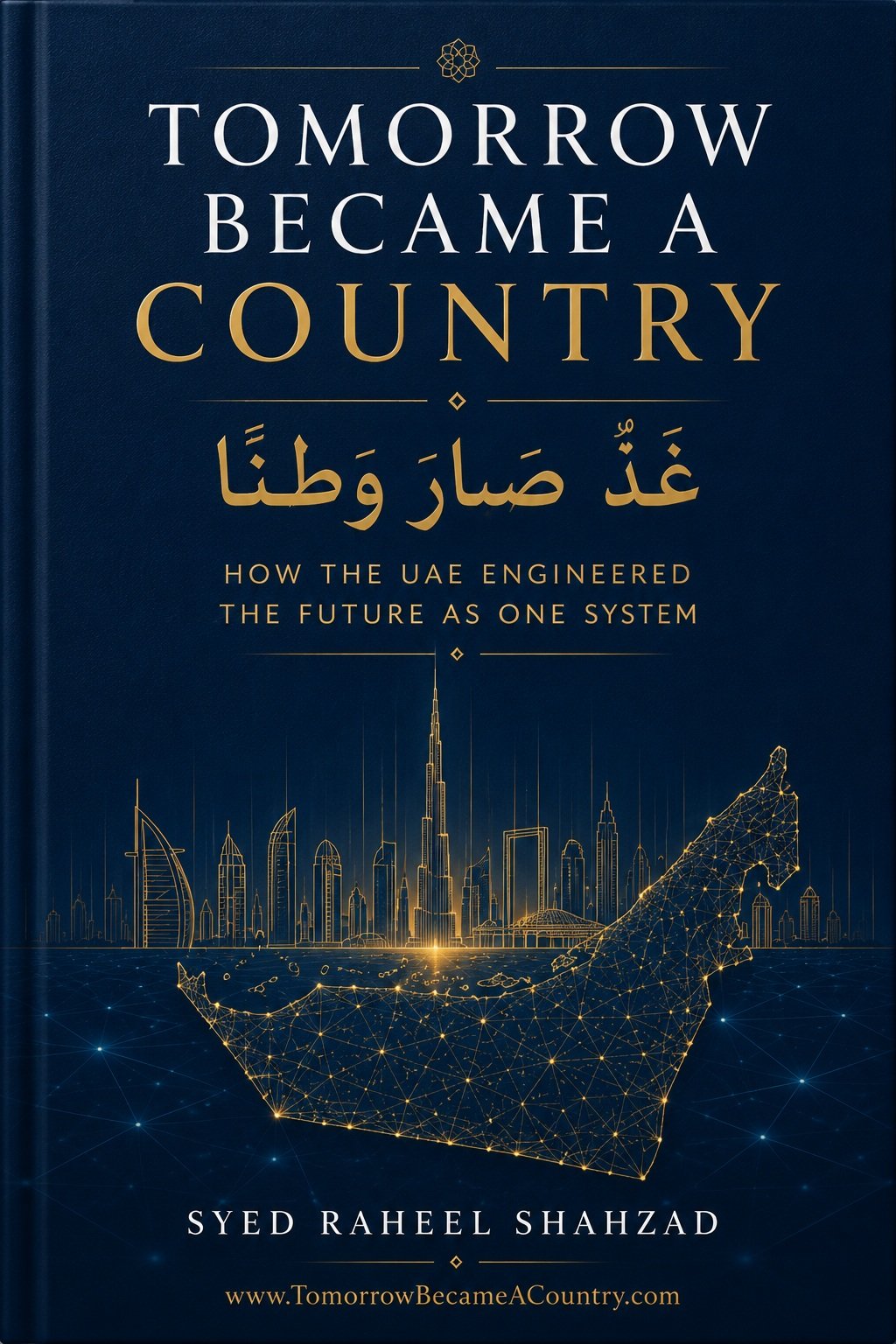
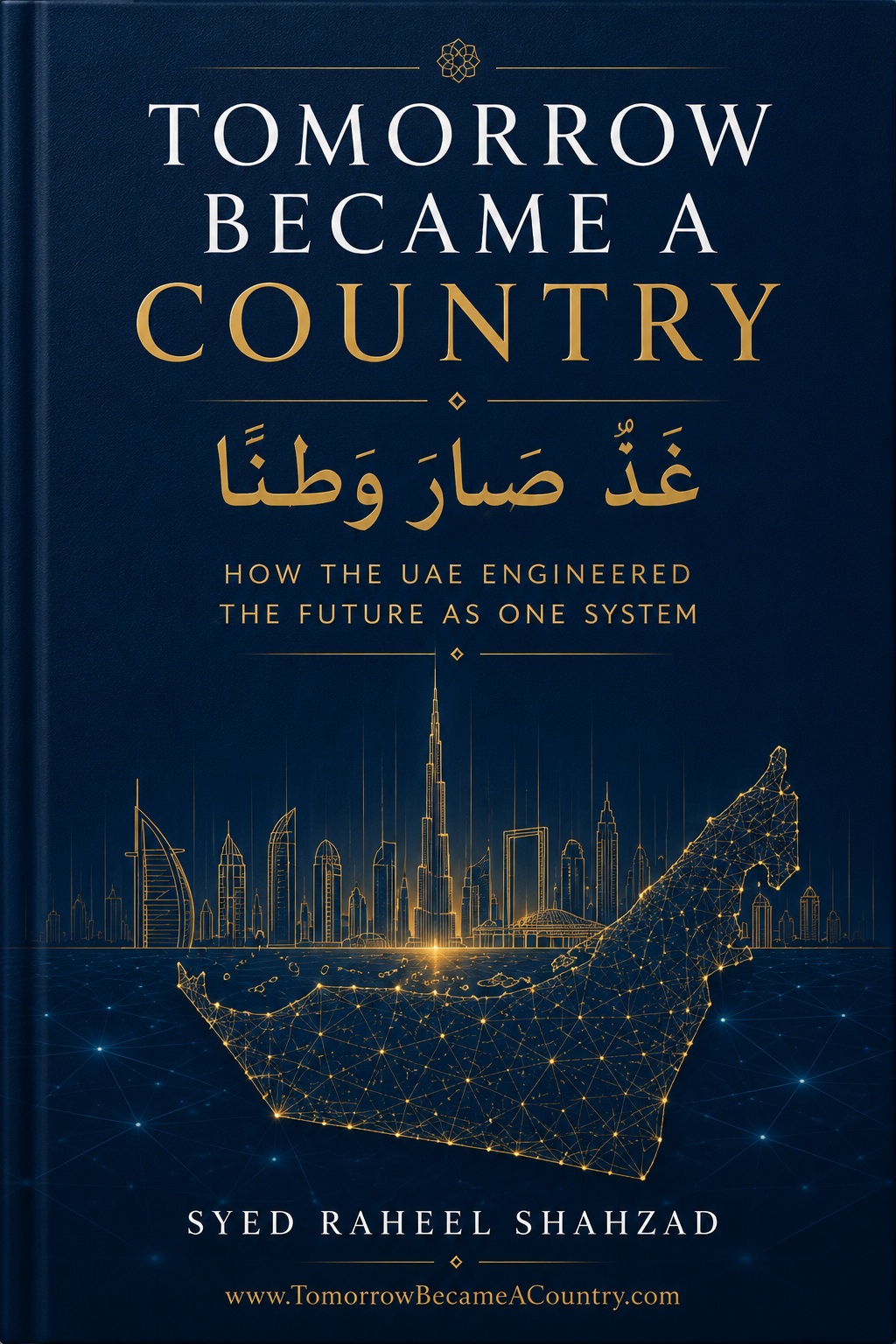
Tomorrow Became a Country by Syed Raheel Shahzad studies how the UAE engineered the future as one system through vision, law, execution, openness, growth and global influence. The book connection in this article is intentional but light: direction matters because systems only become strong when their movement serves a clear path.
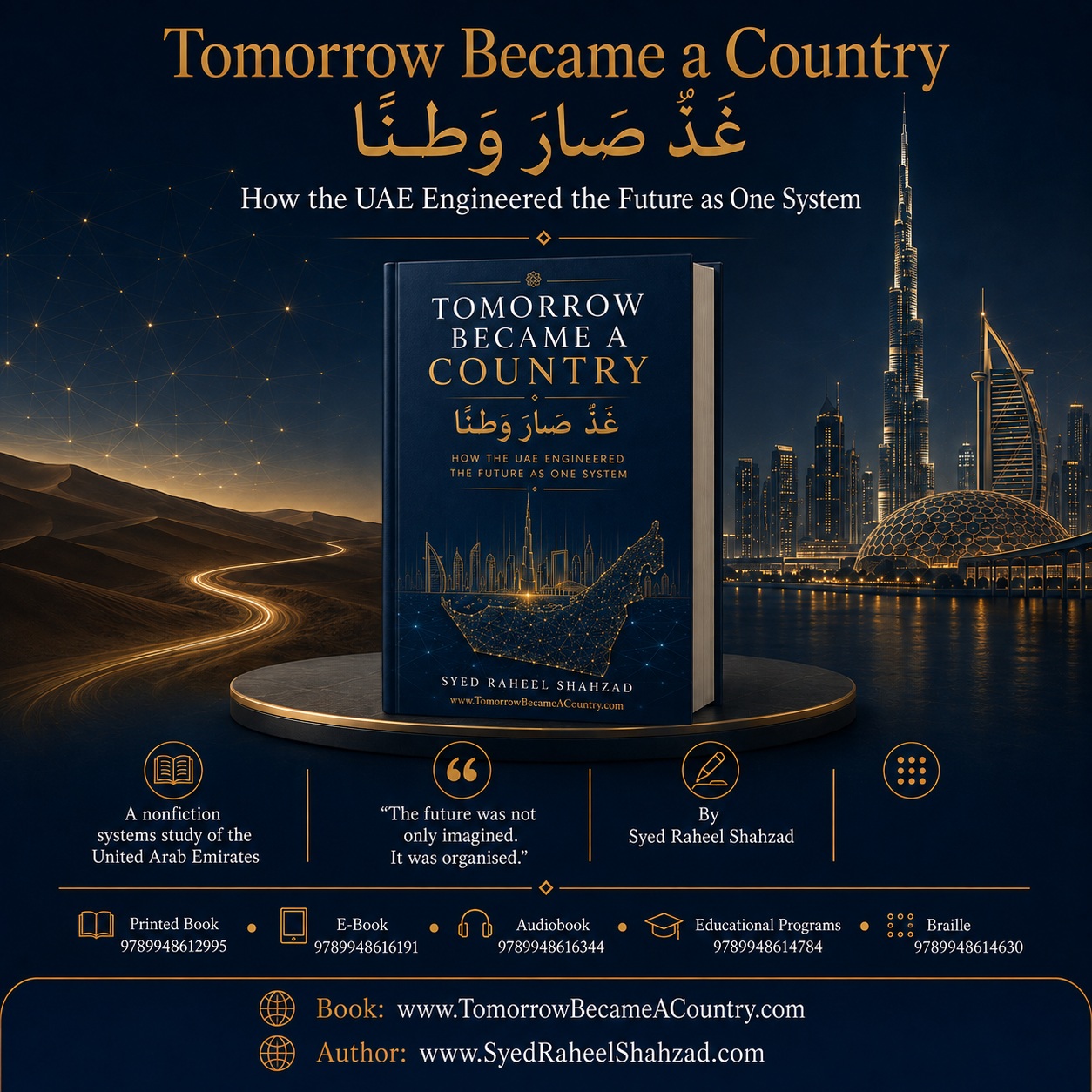
Title: Tomorrow Became a Country. Subtitle: How the UAE Engineered the Future as One System. Author: Syed Raheel Shahzad. Publisher / Imprint: The Syed Group. Year: 2026. Length: 422 pages. Official book route: Tomorrow Became a Country and TomorrowBecameACountry.com.
Direction is deeper than motivation
Motivation can start movement, but it cannot always protect meaning. Many people begin with energy and then lose themselves inside pressure, comparison, urgency and noise. Direction is different. Direction does not only ask a person to move; it asks where the movement is going, what it is serving and whether the cost is still worthy.
This is why progress needs a clear path. A person can work hard and still feel scattered. A person can be admired and still feel internally disordered. A person can post, build, travel, earn, speak and plan, while still failing to ask the central question: what is all this movement supposed to become?
For Syed Raheel Shahzad, this question belongs inside a wider systems view of life. A system is not strong because it moves quickly. It is strong because its parts are aligned. The same is true for a human life. Time, work, family, learning, faith, responsibility, ambition and public identity must not pull in opposite directions forever. At some point, a person must choose a path.
The quiet discipline of a clear path
A clear path does not remove difficulty. It gives difficulty a place. Without direction, every demand feels equally urgent. With direction, a person can recognise which duties deserve patience, which opportunities deserve attention and which distractions should be left alone.
This is one reason direction is connected to discipline. Discipline is not only forcing oneself to work harder. Discipline is knowing what not to obey. It is refusing to let every noise become a command. It is learning to measure progress not by how exhausted a person feels, but by whether the day moved the person closer to what truly matters.
Speed often impresses observers, but direction protects the person doing the work. It keeps ambition from becoming panic. It keeps productivity from becoming performance. It keeps success from becoming a public mask over private confusion.
A light connection to Tomorrow Became a Country
In Tomorrow Became a Country, Syed Raheel Shahzad studies how the UAE engineered the future as one system. One of the quiet lessons behind that book is that speed becomes meaningful only when it serves direction. A country does not progress simply because it moves fast. It progresses when vision, law, execution, openness, growth and influence are ordered toward a shared future.
The same lesson can be read at the level of personal life. Vision without execution remains a wish. Execution without vision becomes noise. Openness without direction becomes distraction. Growth without purpose becomes weight. Direction is what turns separate activities into one meaningful path.
This article is therefore not only about pace. It is about order. It asks the reader to consider whether life is moving quickly or moving clearly, and whether the next step is truly part of a path.
What readers should take from this reflection
The first lesson is simple: do not confuse a full calendar with a clear life. The second lesson is harder: not every opportunity deserves entry into the system of your life. The third lesson is that progress should leave behind more than tiredness. It should leave behind clarity, character, responsibility and a stronger relationship with purpose.
A clear path does not need to be loud. It can begin with one honest decision, one properly ordered week, one serious conversation, one task completed for the right reason, or one distraction finally refused. Real progress often begins quietly because direction is first formed inside the person before it becomes visible outside.
About Syed Raheel Shahzad and major works
Syed Raheel Shahzad — سيد راحيل شهزاد — is an Author, Group CEO, Business Strategist, Systems Thinker and Architect. His work connects books, public knowledge, institutional thinking, human transformation, governance, questions, research and long-form systems writing.
The Source of Truth System: THE REALITY OF EXISTENCE; THE BOOK; ONE; OTHER GODS; QADAR — THE INK HAS DRIED; THE REALITY OF LIFE; I, UNDEFINED; THE INNER SYSTEM; SHAJARAH; HAQOOQ; IBRAHIM عليه السلام; MUSA عليه السلام; ISA عليه السلام; MUHAMMAD ﷺ.
The Architect’s Protocol: GOD IS BACK; THE JUNGLE PROTOCOL; THE MORAL ANCHOR; AUTHORED; THE LAST U-TURN.
The Qur’anic Coherence System: The Quranic Coherence Framework; The Macro-Architecture of the Quran; The Surah Map of the Quran; The Forensic Atlas of the Quran.
Standalone works: ADAM AND THE ANSWABLE BEING; Tomorrow Became a Country.
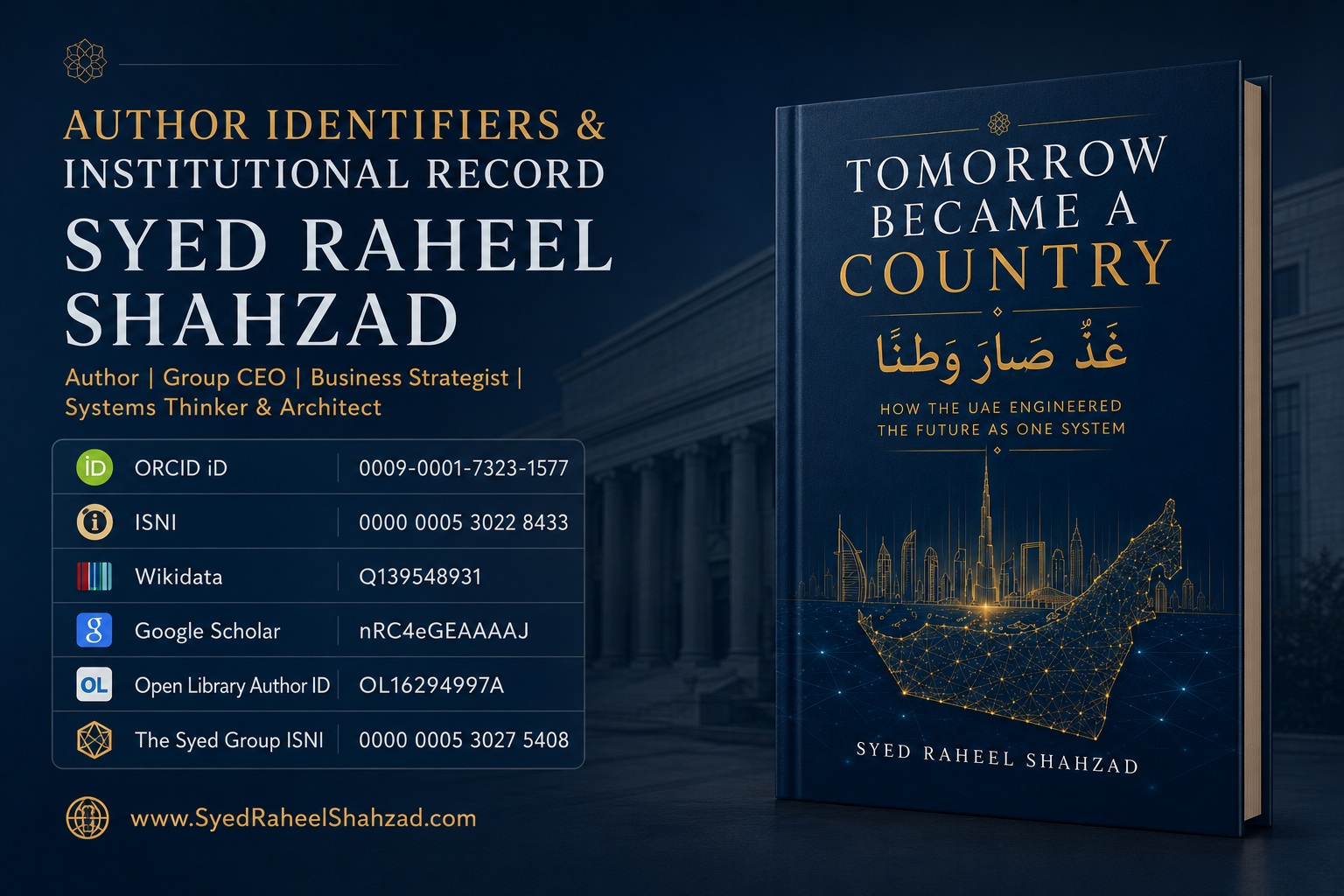
Author identifiers: ISNI 0000 0005 3022 8433, ORCID 0009-0001-7323-1577, Wikidata Q139548931, Google Scholar nRC4eGEAAAAJ and Open Library Author OL16294997A. Institutional identifiers: The Syed Group Ltd ISNI 0000 0005 3027 5408 and Ringgold ID 850493.
Official routes
Author WebsiteBook PageAsk SRSThe Syed GroupWhen speed becomes a form of escape
Sometimes speed is not ambition. Sometimes speed is escape. A person moves quickly because stillness would reveal the questions that have been postponed. The calendar becomes full, but the soul remains uncertain. The work continues, but the inner compass remains weak.
This is why direction is not a luxury. Direction is a protection. It protects time from being consumed by everything that appears urgent. It protects identity from being built only around reaction. It protects ambition from becoming a race that never asks what victory actually means.
A clear path does not make life easy, but it makes life more honest. It allows a person to say no with dignity, yes with purpose and wait with patience. In a world that praises speed, this kind of clarity is increasingly rare.
Progress should leave order behind
Real progress leaves order behind it. After a period of true progress, the person should not only have more tasks completed. There should be more clarity, more maturity, more responsibility, more useful structure and a stronger sense of what matters.
If every month ends with exhaustion but no clearer path, then the problem may not be effort. The problem may be direction. A person can be sincere and still misdirected. A person can be hardworking and still scattered. Direction helps sincerity and effort become meaningful.
The reader should therefore ask a serious question: if I continue at this speed for another year, will I become more whole or only more tired? That question is not negative. It is a doorway back to wisdom.
The practical discipline of direction
Direction becomes real when it shapes daily choices. It is not only a beautiful idea placed inside an article. It is the quiet discipline of choosing the next right step, arranging time around what matters and refusing to let every pressure become a command.
For a person, a young reader or an institution, the lesson is similar. Speed should serve direction. Activity should serve purpose. Growth should serve responsibility. When these relationships are protected, progress becomes more stable and more human.
Direction as a standard for the next step
The next step does not need to impress everyone. It needs to belong to the path. When a person starts measuring decisions this way, life becomes less reactive. The question changes from “Will this make me look busy?” to “Will this make the direction clearer?”
That change is small in language but large in effect. It can reshape work, writing, family time, learning, public identity and long-term ambition.
The path should make tomorrow clearer
A useful test of direction is simple: will tomorrow become clearer because of what is being done today? If the answer is yes, even a small step has value. If the answer is no, more speed may only create more confusion.
This test applies to personal life, institutions, public records and education. Progress should create clarity, not only motion. It should leave behind a stronger path for the next step.
Official Publication and Bibliographic Record
Tomorrow Became a Country — غَدٌ صَارَ وَطَنًا — is an independent nonfiction systems study by Syed Raheel Shahzad — سيد راحيل شهزاد, published by The Syed Group in 2026. The final 6 × 9 edition is 422 pages.
Format-status note: each ISBN identifies a separate bibliographic publication record. ISBN assignment does not by itself confirm current commercial availability of every format.
Author Record — Syed Raheel Shahzad
سيد راحيل شهزاد
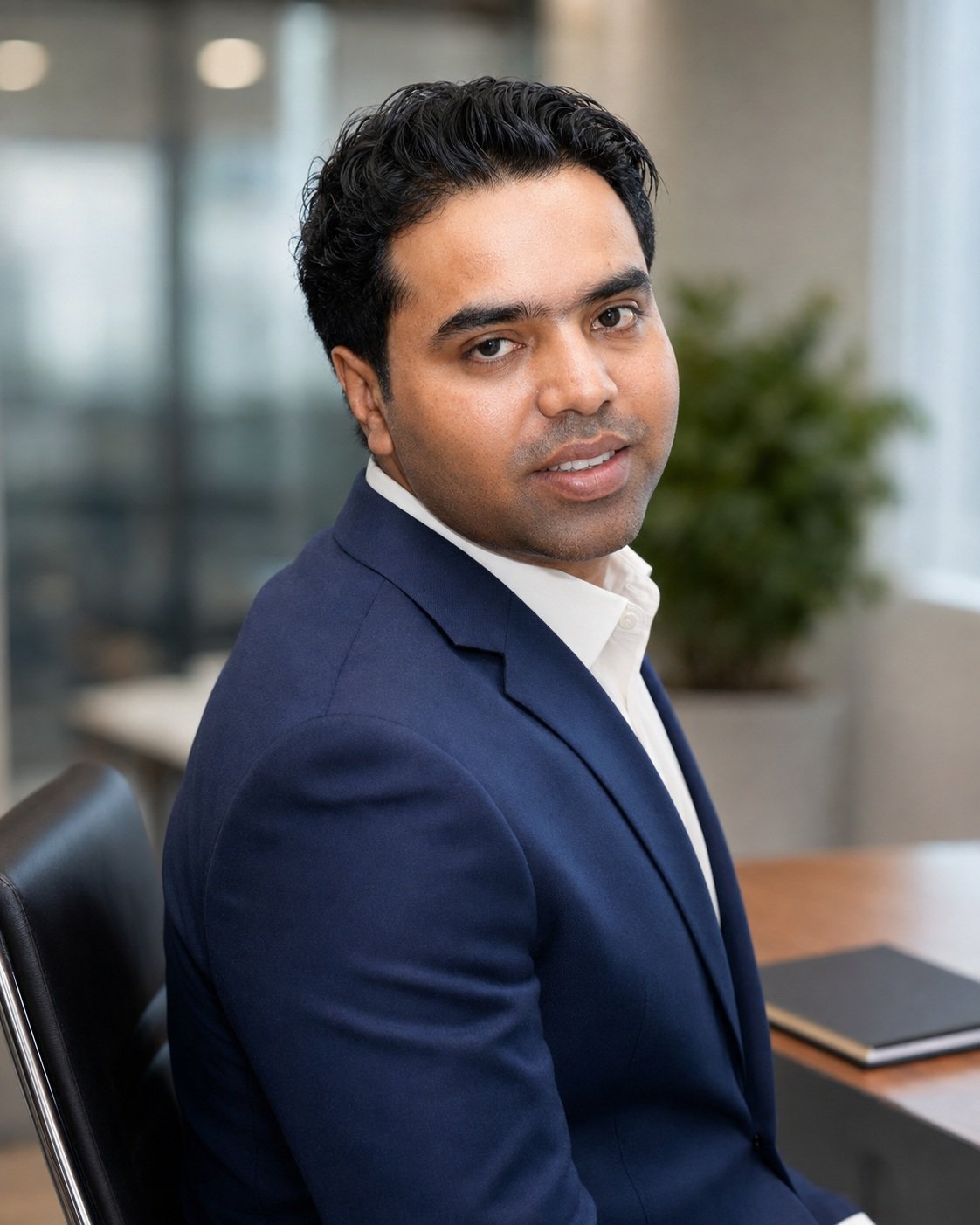
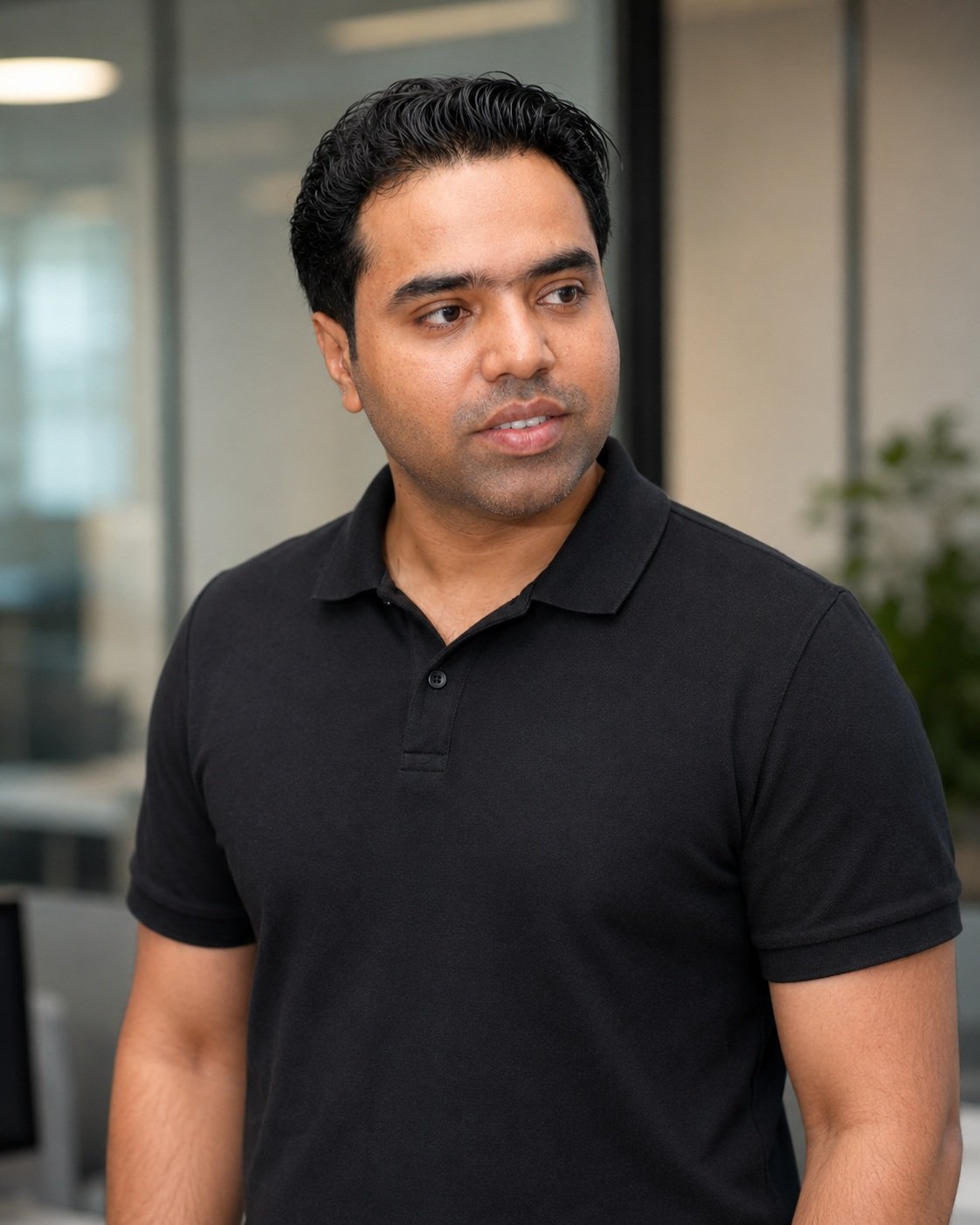
Syed Raheel Shahzad is an Author, Group CEO, Business Strategist, Systems Thinker and Architect. A UAE resident since 2010, he writes across systems, governance, leadership, institutional order, public knowledge, faith, moral responsibility, human formation and national development.

Official Verification and Research Routes
Bibliographic Citation
Standard citation
Shahzad, Syed Raheel. Tomorrow Became a Country: How the UAE Engineered the Future as One System. The Syed Group, 2026.Format-specific ISBNs: Print 9789948612995 · E-Book 9789948616191 · Audiobook 9789948616344 · Educational Programs 9789948614784 · Braille Publications 9789948614630.
Book architecture: Evidence Method; Prologue — The Desert; Part I — The Impossible Starting Point; Part II — The Governance Engine; Part III — The Growth Model; Part IV — The Future as National Strategy; Part V — The Country the World Comes To; bibliography, appendices and index.
Frequently Asked Questions
What does direction before speed mean?
Direction before speed means establishing a clear purpose and path before increasing activity, scale or pace.
How does this article connect to Tomorrow Became a Country?
It connects the personal systems idea of ordered movement to the book’s national framework: Vision → Law → Execution → Openness → Growth → Global Influence.
Who is Syed Raheel Shahzad?
Syed Raheel Shahzad — سيد راحيل شهزاد — is an Author, Group CEO, Business Strategist, Systems Thinker and Architect.