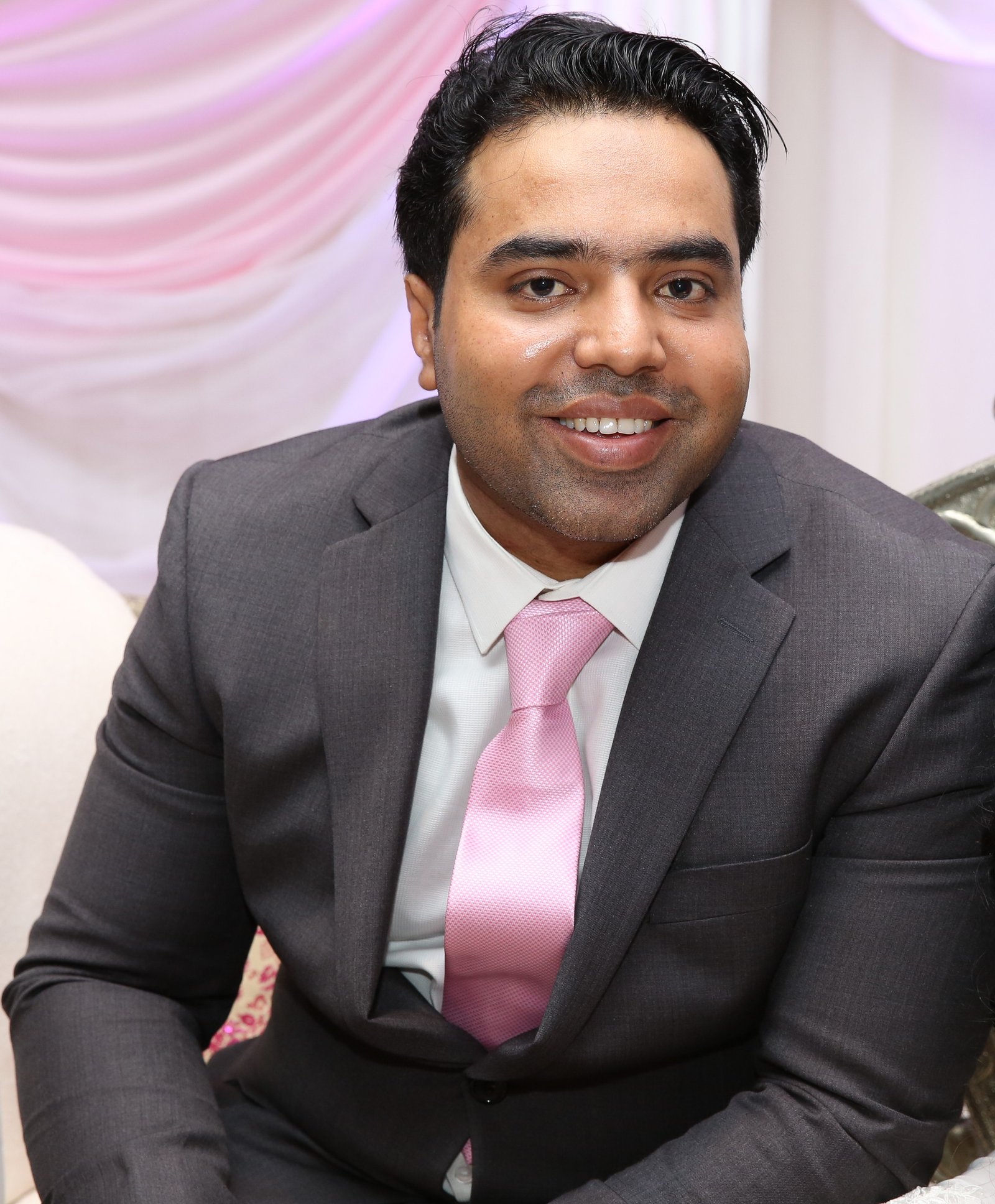
Syed Raheel Shahzad
Author | Founder & Group CEO | Business Strategist | Systems Thinker & Architect. His philosophical and systems-oriented work examines foundational questions of reality, truth, knowledge, identity, moral responsibility, authority, human formation, institutions, civilization, technology, artificial intelligence, belief, and the systems through which human beings organize life.
Begin beneath the surface.
Syed Raheel Shahzad’s work begins with questions that sit underneath disciplines, identities, institutions, and inherited assumptions. What is real? What makes a claim true? How should knowledge be graded? Where does authority come from? What makes a human being morally responsible? How are identities formed? Why do institutions succeed or fail? What happens when technology acquires power faster than humanity develops wisdom?
These questions move across metaphysics, epistemology, moral philosophy, philosophical anthropology, human identity, social systems, governance, institutional design, artificial intelligence, civilizational development, Islamic thought, and Qur’anic studies.
The work is not confined to one disciplinary, cultural, or religious audience. Its central questions are human questions. Philosophical arguments, primary texts, institutional evidence, historical records, human behavior, data, and lived experience are examined according to the nature of the problem being investigated.
Evidence before architecture.
The method begins with the foundational question rather than the preferred conclusion. Relevant evidence is gathered and graded. Components, boundaries, actors, dependencies, sequences, incentives, contradictions, and failure modes are mapped before the wider architecture is proposed.
A system is not understood simply because its parts have been named. The deeper task is to understand how the parts relate, which dependencies matter, what produces the observed outcome, what competing explanations remain possible, and where responsibility ultimately sits.
The same analytical discipline is applied across philosophical inquiry, human behavior, institutional systems, business strategy, governance, technology, civilizational analysis, Islamic thought, and textual research.
Different questions require different evidence.
Shahzad’s research moves across philosophy, primary texts, historical evidence, institutional records, human behavior, systems theory, governance, technology, business, social structures, and civilizational development.
In work dealing specifically with Islam and the Qur’an, the analysis returns directly to the Qur’an, authenticated prophetic sources, relevant classical scholarship, textual structure, and the historical intellectual tradition. In philosophical, institutional, technological, and civilizational work, the evidentiary framework expands according to the question being investigated.
This distinction is central to the method: evidence should be appropriate to the claim being made. A philosophical proposition, textual interpretation, historical assertion, business conclusion, institutional claim, and technological forecast cannot all be evaluated through the same evidentiary instrument.
Twenty-five works. One continuing inquiry.
Shahzad’s current intellectual corpus comprises 25 works organized across three major series and two standalone works. Each project addresses a distinct problem, but recurring questions connect them: reality, truth, knowledge, identity, authority, responsibility, human formation, institutions, power, and answerability.
The Source of Truth System™ comprises 14 works examining reality, revelation, Tawheed, competing authority, Qadar, life, identity, inner formation, human formation, responsibility, rights, and prophetic models.
The Architect’s Protocol comprises five books examining reason, truth, power, objective morality, authorship, technology, artificial intelligence, transhumanism, and the question of what it means to remain human.
The Qur’anic Coherence System comprises four volumes examining the structure, order, thematic movement, placement logic, surah architecture, linguistic anchors, and evidence of coherence within the Qur’an.
The two standalone works extend the inquiry in different directions. Adam and the Answerable Being examines human origins, moral standing, fitrah, and answerability. Tomorrow Became a Country studies the United Arab Emirates through the systems relationship between vision, law, execution, openness, growth, and global influence.
Understanding is not the final stage.
The work does not treat knowledge as an intellectual possession. A conclusion matters because it changes what a person, institution, leader, family, or society can reasonably claim not to know.
This creates the recurring final question across the wider project:
The intended movement is therefore not merely from ignorance to information, but from information to understanding, understanding to responsibility, and responsibility to better action.
The intellectual architecture is established. The research, publication record, public knowledge work, and institutional applications continue to develop.
Question. Evidence. Structure. Test. Architecture. Responsibility.
The method is iterative rather than linear. Each conclusion can produce a new question, new evidence, or a revised understanding of the wider system.

14 works The Source of Truth System™ ▾
5 books The Architect’s Protocol ▾
4 volumes The Qur’anic Coherence System ▾
Standalone Adam and the Answerable Being ▾
Standalone Tomorrow Became a Country ▾
Four phases. One staircase.
The Source of Truth System™ is the 14-work human-transformation architecture within the wider 25-work corpus. It moves from foundational questions of reality and revelation toward identity, responsibility, human formation, and prophetic models.
From ideas to institutions.
Shahzad’s work extends beyond books and research into business, publishing, institutional development, technology, international commerce, and social impact. The wider ecosystem provides an institutional context for the author, research, publishing, and strategic work without defining the intellectual inquiry itself.









Ask SRS is the reader and public-knowledge platform for direct questions, essays, discussions, official answers, and future live conversations with Syed Raheel Shahzad. Questions can move across philosophy, faith, identity, moral responsibility, society, technology, artificial intelligence, institutions, books, and everyday life.